





Mendell Helium
Perth, Scotland, United Kingdom
Mendell Helium
!


Helium production in Kansas with access to gathering systems and processing facilities.
About Mendell Helium
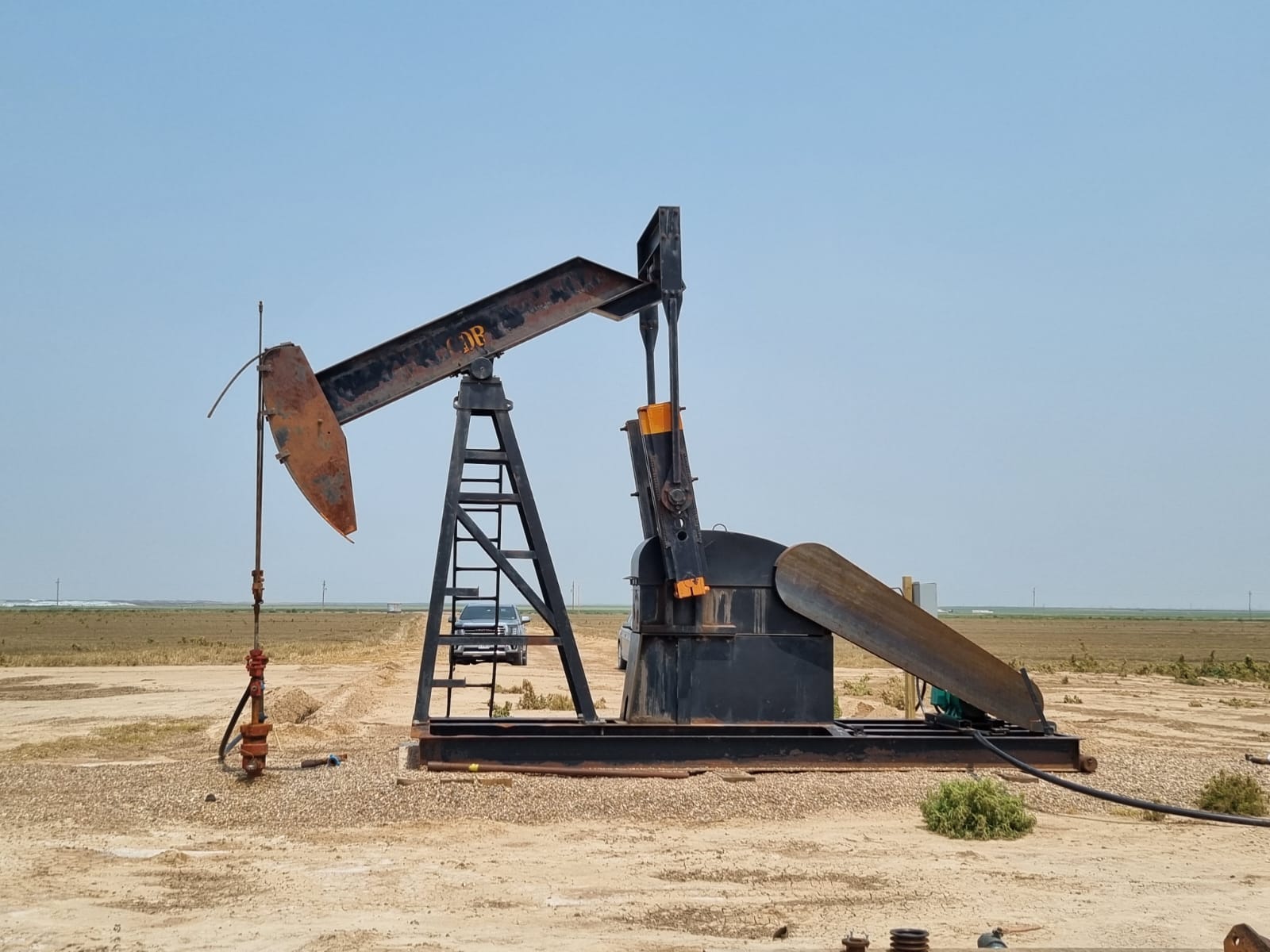
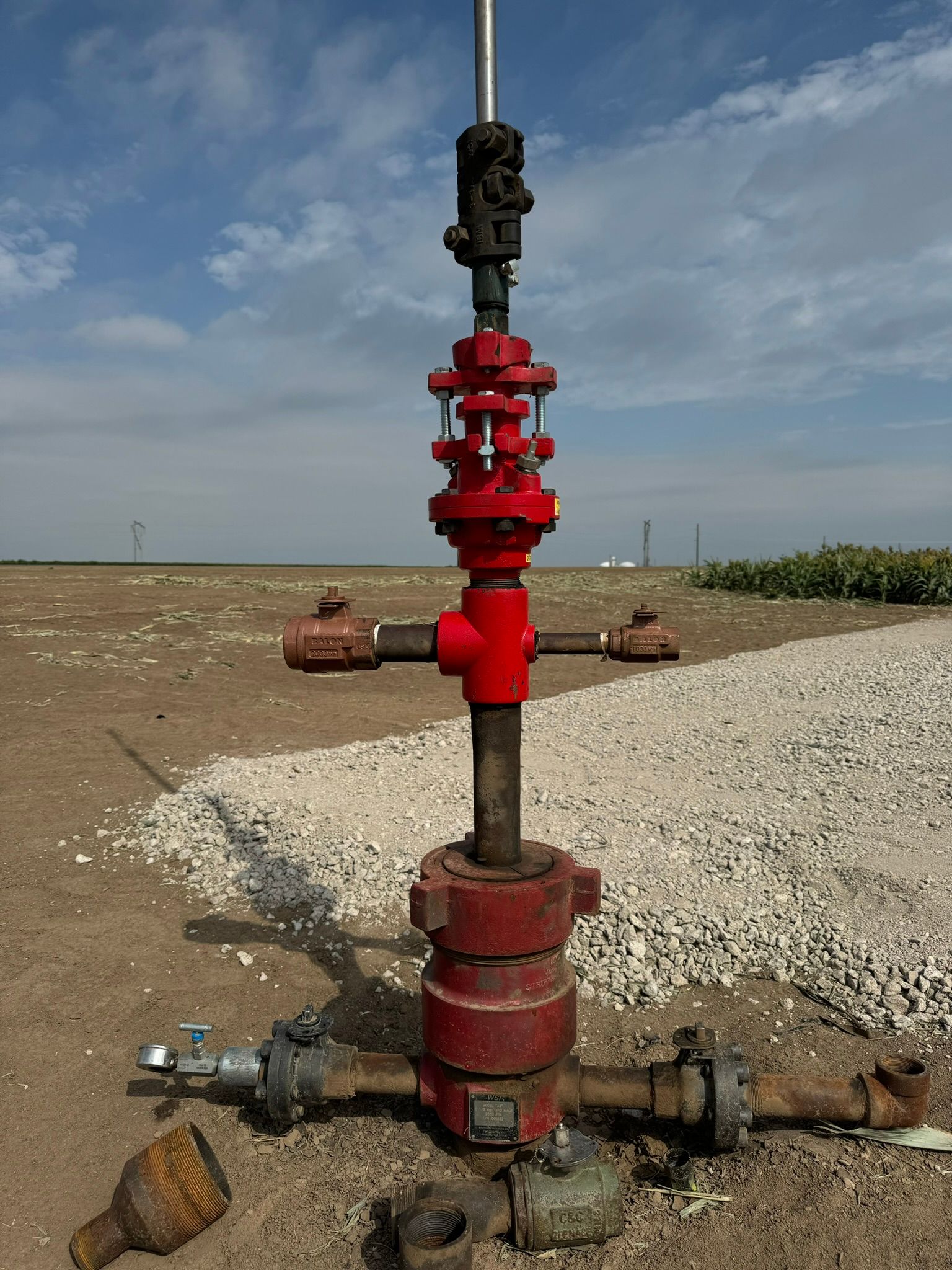
Helium producing wells in Kansas
Mendell Helium plc is based in Perth, Scotland and owns an option to acquire the entire issued share capital of M3 Helium Corp. (“M3 Helium”), a producer of helium in Kansas, US.
M3 Helium has an interest in nine wells in two regions in the south-west of the state – the world renowned Hugoton field, where natural gas and helium have been produced for over 90 years, and Fort Dodge, a smaller region but one with a very high helium content (recently tested at 5.1%).
Mendell Helium is currently preparing the publication of an admission document, following which its acquisition of M3 Helium will complete.
Pending concluding the merger, Mendell Helium has supported M3 Helium through the provision of loans to enable that company to continue the development of its assets. This has included new wells, tie-ins to nearby production infrastructure and increasing production.
Description of Services
M3 Helium’s Projects:
- Hugoton: North Play
Eight of M3 Helium’s wells are within the Hugoton gas field, one of the largest natural gas fields in North America. Significantly these wells are in the proximity of a gathering network and the Jayhawk gas processing plant meaning that producing wells can quickly be tied into the infrastructure.
The Hugoton gas field, located primarily in southwestern Kansas, western Oklahoma, and the Texas panhandle, is one of the largest natural gas fields in North America, deriving its name from the town of Hugoton, Kansas. Discovered in 1927, this field which covers around 31,080 square kilometres has significantly contributed to the natural gas supply in the United States. Over its long history, more than 12,000 wells have been drilled in the Hugoton field.
The field’s cumulative production is substantial, with over 30 trillion cubic feet of natural gas produced since being discovered. Additionally, it has yielded substantial quantities of natural gas liquids and helium.
M3 Helium has an interest in eight wells in its Hugoton North Play project. These wells are situated around Garden City in western Kansas and are all within or near the gathering network connected to the Jayhawk gas processing plant near the town of Ullyses and which is owned and operated by Scout Energy Partners (“Scout”). Jayhawk produces methane, helium, nitrogen and natural gas liquids.
Smith and Nilson wells
To the south of Garden City in Haskell County near the town of Sublette are M3 Helium’s Smith and Nilson wells. M3 Helium owns a 100% interest in the Smith well, and approximately 75% of the Nilson well. Both wells now have commenced production and are selling helium and NGLs. Both were designed to test the concept that significant remaining reserves may exist in this part of the field.
Smith and Nilson are to the east of the core part of the Hugoton gas field in what is known as the transition zone – or a transition from mostly only gas to a region of mostly saltwater. M3 Helium believes that the transition zone is a region where both gas and saltwater co-exist and that this area could provide considerable upside to the company by accessing formations previously overlooked by other operators, including Exxon, Amoco and Mobil. The Smith well is an example of a highly porous reservoir and the Nilson was selected as an example of a less porous reservoir. So far the less porous reservoir at Nilson is showing greater potential than the more porous, Smith well.
It is normal that gas wells exhibit a decline in production from initial volumes. The decline profile generally says a lot of the longevity of the production and ultimate reserves of the well. While most wells decline in production almost immediately, the Nilson well is increasing its gas volumes over time. The increase has been remarkably consistent.
Peyton well
Also to the south of Garden City, but west of Smith and Nilson, is the Peyton well. One of M3 Helium’s first wells, the Peyton well is in production and currently producing a return, net of all operating and administrative costs, of around $2,000 per month to the owners of the Peyton well. M3 Helium owns a 20% interest in the Peyton well. The well produces without the need for a pump. The Peyton well is only producing from a single formation, and three additional upper formations remain behind pipe and may be completed at any time.
The Peyton well is in the heart of the Hugoton gas field where wells have historically been reliable producers, with limited water content, but the area has seen more active production in the past and consequently M3 Helium’s management does not consider that potential reserves are as great as may be the case in the transition zone described above. However, the consistent production and expected well life makes this region an attractive area in which to operate. While the interior of the field may have less potential than the transition zone, M3 Helium proposes to test a new approach to fracking that may improve the ultimate recovery of helium. This new approach is proprietary to Mendell Helium based on a deep understanding of prior frack designs inside the field, across several decades.
The reason why the Peyton well was only completed in a single zone, which is contrary to traditional practices by completing all zones at the same time, was to test a theory that elevated pressures may exist in this tested zone. Modern wells typically experience initial pressures of 40 psi or less, the Peyton well exhibited 86 psi initially which supports the thesis that additional gas resources may exist in the field over and above what is currently believed by the industry.
Carter 1 and Carter 2 wells
These are the most recent of M3 Helium’s wells to be drilled and are approximately one mile apart situated to the north of Garden City. M3 Helium owns a 100 per cent. interest in both of these wells although the Carter 1 well was funded by a third-party in return for the opportunity to acquire helium produced from that well at a price of US$280/Mcf.
The Carter 2 well completed a fracking operation last week and the team has now begun the process of well clean up, primarily swabbing for accumulated frack fluids, before an assessment can be made of the well’s potential flow rates. It is important to note that the geology of M3 Helium’s wells varies considerably. The Carter wells, which are situated at the north end of its operations are known to carry greater levels of water and, consequently, this particular fracking operation was executed at low pressure to ensure that the well, following fracking, was not compromised by fluid levels. Although it is early days, initial signs are positive – on completion of the operation, a vacuum was immediately observed in the wellbore indicating that the frack fluid was being absorbed into the rock below. As M3 Helium observes the well’s characteristics over the coming weeks, it expects to gain a greater understanding of the economics of developing this northern part of its operations.
Bearman, Demmit and Cockerham wells
M3 Helium owns an 85 per cent. interest in the Bearman, Demmit and Cockerham wells which are located on the western side of the Hugoton gas field in Stanton County, Kansas. The Bearman and Demmit wells are currently producing 25 Mcf/day in aggregate with a helium composition of approximately 0.6 per cent. The Cockerham well is not currently in production.
The wells are connected to Scout Energy’s Jayhawk gas processing plant via a pipeline operated on vacuum by Energy Transfer LP, one of the largest and most diversified midstream energy companies in North America.
M3 Helium’s management have identified certain steps to improve the wells:
1. At present, only the value of methane and natural gas liquids are paid to the producer. If M3 Helium is able to obtain a price for the helium produced then, noting the higher value of helium relative to the other components, this could be transformational for the economics of the two wells.
2. Converting the Cockerham well to a water disposal well would make it economical to increase the frequency of pumping at the Bearman and Demmit wells leading to an increase in gas production.
3. Acidising the wells is also expected to increase production of gas.
- Fort Dodge
M3 Helium’s nineth well is in Fort Dodge and was tested in July 2024 as containing 5.1% helium composition. Although not within direct access to the gathering network, M3 Helium owns a mobile Pressure Swing Adsorption production plant which could be used to purify the helium on site.
Fort Dodge Prospect is in Ford County, Kansas. M3 Helium owns the lease and existing well in the area (Rost 1-26). Helium concentrations at Fort Dodge have been recorded at 5.1 per cent. but, unlike the North Play, there is no access to infrastructure meaning that M3 Helium will utilise its modular hybrid plant to process and enrich produced helium. Purified helium is expected to be collected on site by its customer with terms being negotiated.
The Fort Dodge lease allows for two additional similar wells to be drilled in addition to Rost 1-26.
Rost
The Rost well was tested earlier in July 2024 by Shamrock Gas Analysis, Inc. as containing 5.1 per cent. helium composition, announced on 15 July 2024. Thurmond-McGlothlin, LLC, an independent professional firm, also tested the pressure at 302.7 psi. Samples of gas were previously taken and measured at 47,100 cubic feet per day (47.1 Mcfd).
A combination of these factors make the Rost well and its Fort Dodge operation, in which M3 Helium owns a 100 per cent. interest, arguably its most exciting near term prospect. Although not within direct access to Scout’s gathering network, M3 Helium owns a mobile Pressure Swing Adsorption production plant which will be used to purify the helium on site. Several parties have confirmed they would accept M3 Helium’s purified helium which can be delivered to an access point around a one hour drive away.
Operations were initially conducted on M3 helium’s Fort Dodge well to verify and confirm a previous industry report of helium bearing gas. This gas was believed to be, of an unusual composition, being dominated by nitrogen, and also with the benefit of very little associated methane, and with helium originally at an expected 4.6% concentration.
The Rost well was perforated at the top few feet of the Morrow formation with a dozen small holes at 5,008 ft. to 5,010 ft. The formation is over 40 ft thick. Native brine was encountered in the well at approximately 1,560 ft. from surface. The well brine was swabbed using a service rig. At this time no measurable gas was detected.
However, subsequently, the well showed pressure on both the casing and the tubing of 240 psi and 400 psi respectively. Gas was flowing up the tubing which was then lowered so that gas would only flow up the casing side and clean gas samples could be retrieved. Measurable gas was flowing on the casing side, even when the brine level was over 2,150 ft over the formation, representing a resistance to flow on the formation exceeding 925 pounds per square inch (psi).
Swabbing continued during the testing phase to reduce the brine level and M3 Helium began to sample the gas for composition measurement. The brine level was then reduced to 1,058 ft over the perforations (still a resistance to flow on the formation of over 450 psi), and samples of gas were taken and measured at 47,100 cubic feet per day (47.1 Mcfd).
Initially two samples analysed by Hosco Well Testing, Liberal, Kansas, revealed gas composition of 4.83% and 4.82% helium, respectively, along with nitrogen at approximately 85%, and methane at only 6%. In July 2024, a further two samples were tested by Shamrock Gas Analysis, Inc. at 5.1% helium. Thurmond-McGlothlin, LLC also tested a well pressure at 302.7 psi at the same time as taking the samples.
To set these results in context, helium content of 0.3% is generally considered economic so, based on the well pressure and helium concentration, M3 Helium’s Fort Dodge prospect is a potentially very significant opportunity.


What we do
Why is there so much interest in helium?
Helium in recoverable quantities is found in only a few locations around the world, and these sources are being rapidly depleted. Owing to helium’s key role in energy transition (e.g., electric vehicles and batteries), digital transformation (electronics, AI, telecoms, etc.) and space exploration, it is classified as a critical mineral by governmental bodies, e.g., the EU and Canada.
Why is helium so valuable?
Helium is an essential resource in various high-tech industries and scientific research. Its unique properties make it irreplaceable in applications such as MRI machines, semiconductor manufacturing, and cryogenics. As global demand continues to rise and supply dwindles, helium’s value is expected to increase significantly. The strategic importance of helium in emerging technologies and its limited availability contribute to its status as a critical mineral, making it a valuable asset for investors and industries alike.
Life at Mendell Helium
Advantages of operating in Kansas
Kansas ranks as the 11th largest oil producing state and 14th largest natural gas producing state in the United States. Over 2,200 licensed oil & gas operators produced nearly 28 million barrels of oil and 143 billion cubic feet of natural gas in Kansas in 2023.
Oil and gas consistently makes the list of the top three industries in the state. For Mendell Helium, this means that contractors and equipment are readily available, spare parts and support are fast to arrive when needed and costs are competitive.
Kansas’ oil and gas industry is perhaps best known for the Hugoton gas field where a substantial part of M3 Helium’s activities are located.
